
A fitting conclusion to the first seminar series
The series concluded with an evening dedicated to landscapes and Baukultur in Switzerland.
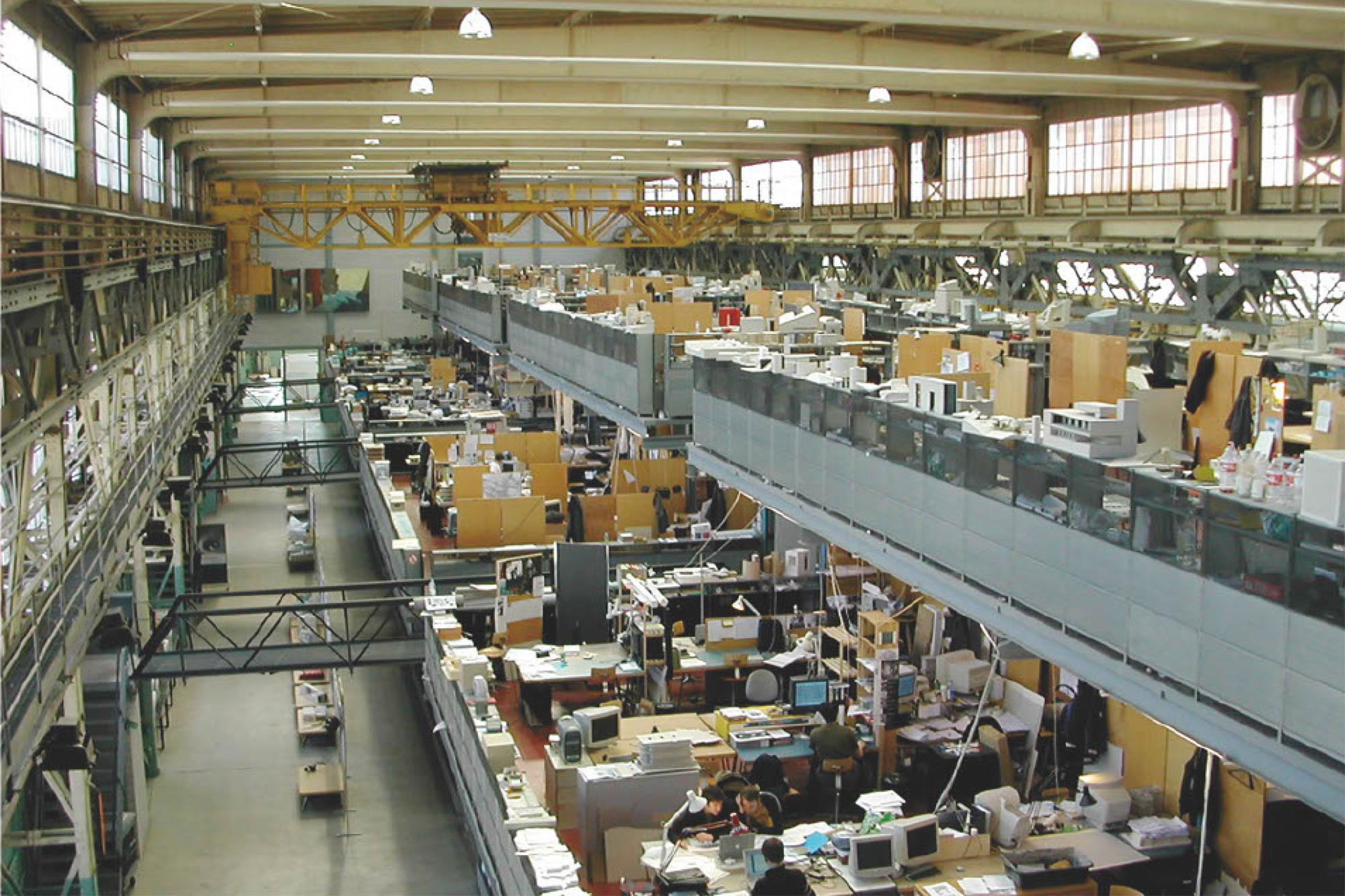
Georges Descombes could hardly contain his enthusiasm: “This hall is a wonderful place for studying and discussing the subject – it is Baukultur brought to life!” At the beginning of June, he could be found in a seminar room just outside Hall 180 at the Zurich University of Applied Sciences (ZHAW) in Winterthur with Annemarie Bucher and Anette Freytag. Together, the landscape architect from Geneva, the landscape historian from Zurich and the professor of landscape architecture from the United States brought the first NRP 81 seminar series to a spectacular close. The former smithy, which was converted into an architecture school in 1991 and is now known as Hall 180, represented the ideal venue for the event.
Guests, members of the Steering Committee, researchers from the NRP 81 projects, students and other interested parties explored the roots of the Baukultur movement in the course of ten sessions – mainly held at EPFL Lausanne, but also at ETH Zurich and ZHAW Winterthur. In the autumn semester of 2025, the “Genealogy of Baukultur” series initially turned its attention to Europe before focussing on the various manifestations and roots of Baukultur in Switzerland in the spring of 2026. We launched our European series with the British architect Sarah Wigglesworth in early November 2025 before welcoming Jean-Marc Besse and Michael Jakob. Two sessions explored the topic of “Baukultur and criticism of modernism” with Jean-Louis Violeau and Paolo Scrivano, as well as Angelika Schnell and Irina Davidovici. Paul Landauer brought this first series to a close at the end of January 2026, also in Hall 180 in Winterthur.
Bruno Reichlin opened the Swiss series in Lausanne, followed by André Bideau, then Gion A. Caminada and Roger Diener. Next came Jürg Conzett and Eugen Brühwiler, who spoke about Baukultur in civil engineering. Finally, Annemarie Bucher, Anette Freytag and Georges Descombes concluded the series with a detailed explanation of why the development of Baukultur in Switzerland is inconceivable without a designed landscape.